

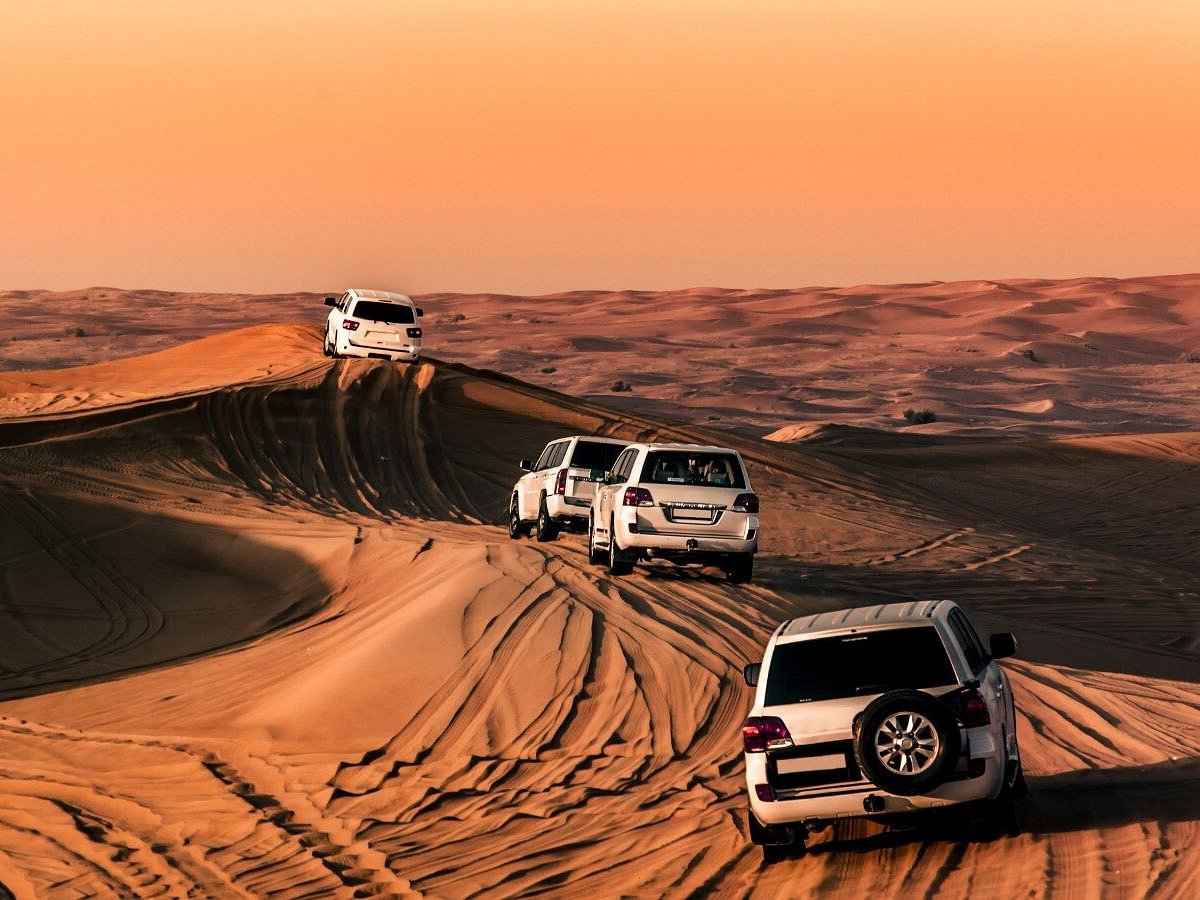
Quick answer
The desert safari dress code for Qatar calls for lightweight, breathable layers in light colors, closed-toe shoes with ankle support, and full sun protection. Evening temperatures in Mesaieed Desert drop significantly after sunset, so a long-sleeve layer is essential even during summer months. Avoid open sandals, synthetic fabrics that trap heat, and dark clothing that absorbs solar radiation during the golden-hour arrival window.
Sand in the Mesaieed Desert reaches surface temperatures above 70°C during peak daylight hours, hot enough to blister exposed skin on contact. Even night safaris begin during the late-afternoon arrival window when solar load remains intense, and the temperature inversion after sunset can drop ambient air by 20 degrees in under two hours. What you wear determines your mobility across dunes, your comfort during seated activities, and whether you return with heat exhaustion or simply tired legs. The desert safari dress code prioritizes three conditions simultaneously: ventilation during exertion, protection from ultraviolet exposure, and insulation once the thermal mass of the sand stops radiating. Natural fibers—cotton, linen, lightweight merino—allow sweat evaporation while blocking wind-borne particles; synthetics trap humidity and generate static that attracts fine dust. Footwear must be closed at the toe and heel, with enough tread to grip soft sand and enough structure to prevent ankle roll on uneven terrain. Open sandals fill with grit within minutes, and smooth soles offer no purchase on slopes above 20 degrees. Color choice is functional, not aesthetic. Light tones reflect infrared and remain 8-12°C cooler than dark fabrics under the same conditions, a measurable advantage during the drive to camp and any walking segments before dusk. Long sleeves and full-length trousers prevent both sunburn and the fine abrasion caused by wind-lifted particles during sudden gusts, common in open desert after 16:00 when thermal columns collapse. A lightweight scarf or shemagh serves as dust mask, neck cover, and emergency head wrap if a keffiyeh is not worn. Accessories matter as much as base layers. Sunglasses rated UV400 or higher are non-negotiable; desert glare off pale sand exceeds 100,000 lux, enough to cause photokeratitis within 30 minutes of unprotected exposure. A wide-brim hat provides facial shade and keeps peripheral vision clear. Layering allows adaptation: a merino base, a long-sleeve linen shirt, and a windproof shell cover the full temperature range from arrival through late evening, and each piece packs into a daypack smaller than a liter bottle. The Mesaieed Desert is open 24 hours daily with no entrance fee, but comfort in that landscape is earned through preparation, not purchased at the gate.
“Sand in the Mesaieed Desert reaches surface temperatures above 70°C during peak daylight hours, hot enough to blister exposed skin on contact.”
Desert Safari Dress Code and Cultural Etiquette
Qatar's desert environment and cultural context require modest, practical clothing choices. Respecting local customs while preparing for temperature shifts ensures comfort and appropriateness throughout your safari.
Do
- Wear loose, lightweight cotton or linen to stay cool
- Cover shoulders and knees to respect local modest dress norms
- Bring a light scarf or shawl for evening temperature drops
- Choose closed-toe shoes to protect feet from hot sand
- Opt for neutral or light colors that reflect heat
- Layer clothing to adapt as temperatures change after sunset
Don't
- Don't wear tight or revealing clothing that conflicts with cultural expectations
- Don't choose synthetic fabrics that trap heat and cause discomfort
- Don't wear flip-flops or open sandals unsuitable for sand terrain
- Don't forget sun protection like hats or long sleeves during daytime
- Don't overdress with heavy fabrics that restrict movement in heat
- Don't wear all black, which absorbs excessive heat in direct sun
Desert Safari Dress Code and Pre-Visit Prep
Pack smart to stay comfortable across changing desert temperatures and terrain.
-
Bring high-SPF sunscreen and reapply regularly — Desert UV is intense even during evening departures and golden hour.
-
Pack polarized sunglasses with full UV protection — Glare off sand reduces visibility and causes eye strain during the drive.
-
Carry 1–2 liters of water per person — Hydration starts before you feel thirsty; desert air dehydrates faster than coastal Doha.
-
Wear closed-toe shoes with grip and ankle support — Open sandals fill with sand and offer no protection during dune walks or camel activities.
-
Bring a lightweight scarf or shemagh — Shields neck and face from blowing sand and serves as an extra layer after sunset.
-
Pack a compact power bank for devices — Limited charging access during multi-hour tours; essential for navigation and photos.
-
Apply insect repellent before departure — Desert camps and oases attract mosquitoes and midges, especially after recent rain.
Optimal Timing for Your Desert Safari Dress Code
The desert environment experiences significant temperature fluctuations, transitioning from intense daytime heat to cooler evening conditions. Aligning your visit with the optimal arrival window of 05:00–17:00 allows you to manage these shifts while ensuring your clothing choices remain appropriate.
November to March
Low to moderateMild days, cool nights (15°C–25°C)
These months provide the most comfortable climate for extended desert stays. Layers are essential as evening temperatures drop significantly once the sun sets.
April and October
ModerateWarm days, pleasant evenings (25°C–35°C)
Transition months offer a balance between warmth and comfort. Early arrivals help avoid the peak midday heat while still allowing for light, breathable daytime wear.
May to September
LowHigh heat, hot nights (35°C–45°C)
Summer months feature extreme heat. Visitors should plan for minimal activity during midday and rely on lightweight, protective clothing to manage high temperatures.
Verdict: The most favorable period is November to March, utilizing the 05:00–17:00 arrival window to accommodate the drop from daytime warmth to cool desert evenings.
Reaching the Mesaieed Desert for Your Safari
The Mesaieed Desert is located south of Doha, accessible primarily via private vehicle or pre-arranged transport. Due to the terrain, a 4x4 vehicle is required for safe navigation across the sand dunes.
Mesaieed Road (Route 55) to Sealine Beach area
Doha to Sealine Beach/Mesaieed
Official Opening Hours for Mesaieed Desert Access
The public desert area in Mesaieed is accessible throughout the week to accommodate various safari schedules. Visitors may enter the desert at any time during the day or night.
| Monday | 00:00–23:59 | |
|---|---|---|
| Tuesday | 00:00–23:59 | |
| Wednesday | 00:00–23:59 | |
| Thursday | 00:00–23:59 | |
| Friday | 00:00–23:59 | |
| Saturday | 00:00–23:59 | |
| Sunday | 00:00–23:59 |
Check availability
Frequently Asked Questions About Qatar Desert Safari Dress Code
Everything you need to know about desert safari dress code